
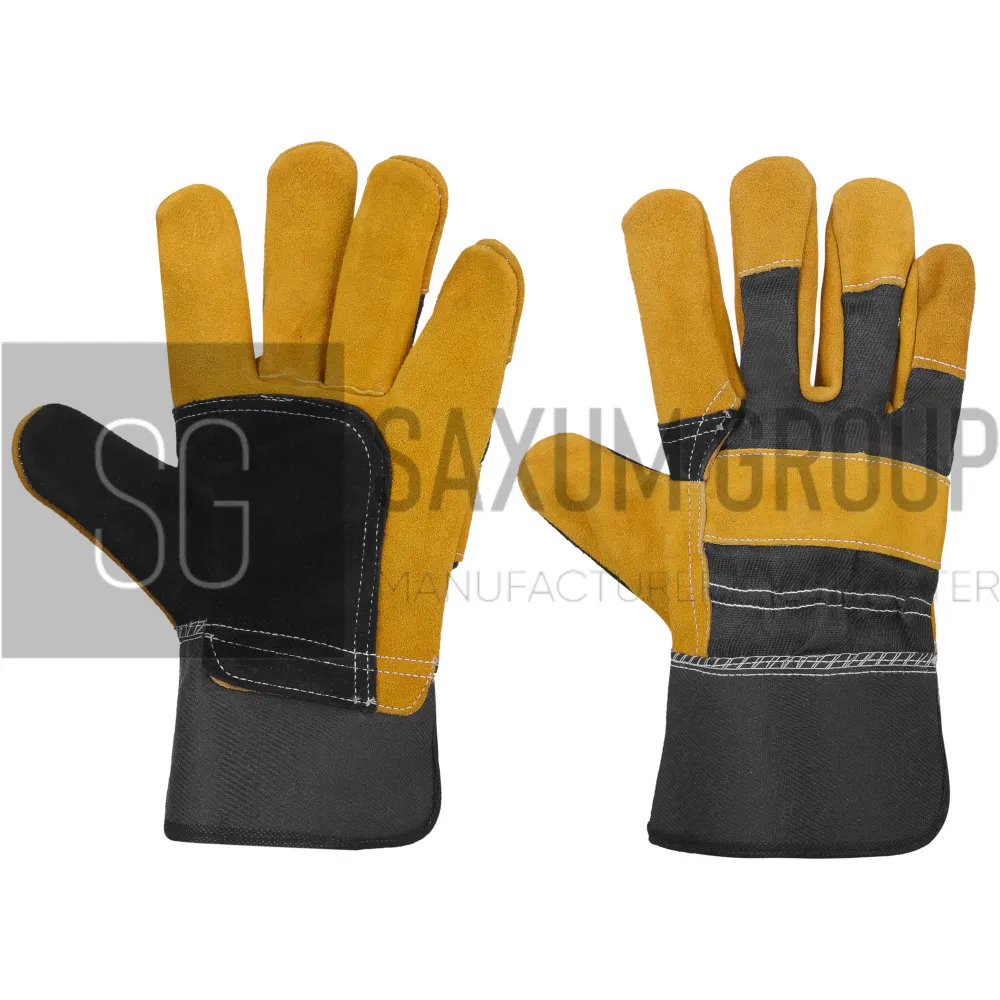
Send a glove factory a photo and the words “make this with my logo” and you’ll get a quote, even without a work glove tech pack. Whether that quote matches what you had in mind is another matter. The leather might be thinner, the cuff a different length, the size run off by half a size. Most problems on a first custom glove order don’t come from bad factories. They come from a brief that left too much to guesswork.
A work glove tech pack fixes that. It’s a short document that tells the factory exactly what to build. We build gloves from all kinds of briefs at our factory in Sialkot, Pakistan, from simple photos to full spec sheets. This guide shows what a good one covers, section by section, so your quote and your first sample come out right.
The short answer
- A work glove tech pack is a spec sheet that lists the materials, construction, sizes, branding and packing for a glove.
- The core sections are: style and use, leather type and thickness, pattern, stitching and thread, cuff, lining, reinforcements, size run, logo, packaging and quality checks.
- Add clear photos or a reference sample. A picture with arrows beats a page of text.
- You don’t need a designer. A one or two page document with a photo and a table is enough to start.
What Is a Work Glove Tech Pack?
In clothing, a tech pack is the blueprint a factory uses to make a product. For work gloves it’s the same idea on a smaller scale: a set of pages that describes every part of the glove, from the hide to the hang tag. It becomes the reference for the quote, the sample and the bulk production, and it’s what you check the finished gloves against.
A tech pack protects both sides. You get the glove you ordered, and the factory has a clear standard to build to, so there’s less back and forth and fewer surprises when the shipment lands.
Section 1: Style, Use and Target Market
Start with one line about what the glove is and who will use it: “leather palm rigger glove for general construction, US hardware retail” or “MIG welding gauntlet, 14 inch, for fabrication shops”. This line helps the factory suggest the right materials even if you aren’t sure about the details yet.
Name the glove type clearly. If you’re choosing between styles, our guides to rigger gloves, welding gloves and driver gloves show the main styles we make.
Section 2: Leather Type, Grade and Thickness
This is the section that moves the price most, so be specific.
- Hide: cowhide, goatskin, buffalo or another leather. Our cowhide vs goatskin guide compares the two most common.
- Split or grain: split leather for rough work and welding, grain leather for feel and grip. See our split vs grain leather gloves guide.
- Grade: describe the surface quality you expect, or ask for grade options at different prices. Our Grade A vs Grade AB guide explains how leather is graded.
- Thickness: give a range in millimetres for the palm and the back if they differ. A thicker palm lasts longer, a thinner one gives more feel.
- Color: natural, or a named color with a reference swatch or photo.
If the glove mixes materials, list each part separately: palm, back, fingers, thumb and cuff. A common example is a split leather palm with a canvas or denim back.
Section 3: Pattern and Construction
The pattern is how the pieces are cut and joined. The main points to state are:
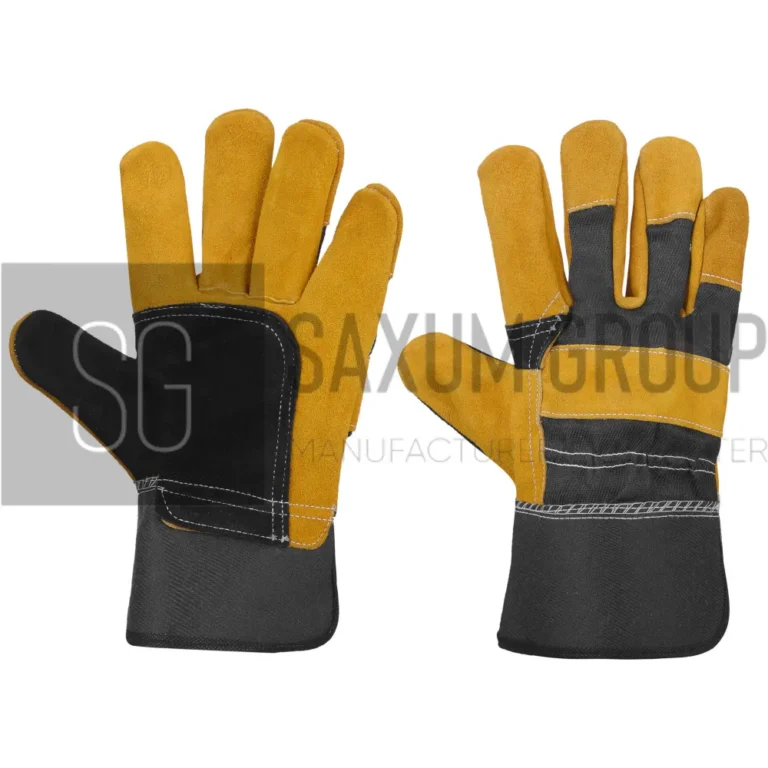
- Thumb style: wing thumb, keystone thumb or straight thumb. Keystone and wing thumbs usually give better movement.
- Palm style: one-piece palm, or a palm with a separate patch.
- Fingers: straight or gunn cut fingers, and whether fingertips are reinforced.
- Back: one-piece back, or a back with a knuckle strap.
If you aren’t sure of the names, send a photo of a glove you like and mark the parts you want to keep or change. That’s often the fastest route.
Section 4: Stitching, Thread and Welts
Stitching is where gloves fail first, so it deserves its own lines in the spec.
- Thread type: cotton, polyester or a heat-resistant thread such as Kevlar for welding gloves.
- Thread color: matching or contrast.
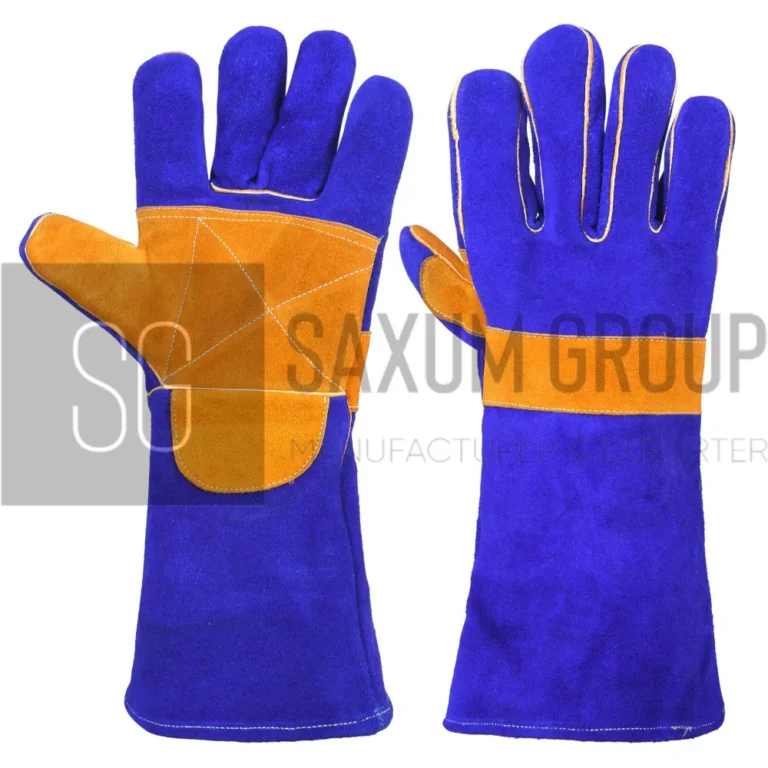
- Welts: leather strips sewn into seams to protect the thread. Ask for welted seams on welding gauntlets and heavy work gloves.
- Stitch type and density: if you have a standard, state it. If not, ask the factory what they use on the reference glove.
For hot work, thread and welts matter as much as the leather. Our heat resistant leather gloves and MIG welding gloves guides explain why.
Section 5: Cuff, Lining and Reinforcements
Cuff
State the cuff type and length: safety cuff, gauntlet, elastic wrist, knit wrist or short cuff. For gauntlets, give the overall glove length, such as 13, 14 or 16 inches. Our work glove cuff types and welding glove length guides help you choose.
Lining
Unlined, half lined (palm only) or fully lined, and the lining material: cotton, fleece, foam or an aramid layer for cut or heat resistance.
Reinforcements
List any extra layers: a palm patch, a double palm, a thumb crotch patch, fingertip caps or a knuckle strap. Our double palm work gloves guide shows where reinforcement adds the most life.
Section 6: Size Run and Measurements
Give the sizes you need and the split between them, for example S 10%, M 30%, L 35%, XL 20%, XXL 5%. If you have your own size chart, attach it with the key measurements: palm width, hand length, middle finger length and overall length. If you don’t, ask the factory for theirs and compare it with our work glove size chart for US hands.
A short table works best here:
| Measurement | M | L | XL | Tolerance |
|---|---|---|---|---|
| Palm width | your value | your value | your value | agreed range |
| Middle finger length | your value | your value | your value | agreed range |
| Overall length | your value | your value | your value | agreed range |
The tolerance column matters. Leather is a natural material, so a small variation is normal. Agree the range up front.
Section 7: Logo and Branding
Say where the logo goes (cuff, back of hand, inside label), how it’s applied (screen print, heat transfer, embossing, embroidery or a woven label), its size and its colors. Attach the artwork as a vector file. Our custom logo work gloves guide compares the methods and where each one works best.
Section 8: Packaging, Labels and Carton Marks
List the unit pack (hang tag, header card, polybag or bulk), what’s printed on it, the barcode for each style and size, the inner pack count and the master carton marks. Include “Made in Pakistan” origin marking for the US market. Our work glove packaging guide covers each of these in detail.
Section 9: Quality Checks and Approval
End the tech pack with how the gloves will be checked:
- Sample approval: who approves the sample, and what happens if changes are needed.
- Golden sample: once approved, one signed sample is kept by each side as the standard for bulk production.
- Inspection: whether you’ll use a third-party inspection before shipping, and what defects count as major or minor.
- Ratings: if you need a tested cut or heat rating, say which standard and who arranges the test. Our ANSI cut levels guide explains the US cut scale.
Work Glove Tech Pack Checklist
| Section | What to include |
|---|---|
| Style and use | Glove type, job, target market |
| Leather | Hide, split or grain, grade, thickness, color for each part |
| Pattern | Thumb, palm, fingers, back style |
| Stitching | Thread type and color, welts |
| Cuff and lining | Cuff type and length, lining material |
| Reinforcements | Patches, double palm, fingertips, knuckle strap |
| Sizes | Size run, split, measurements, tolerance |
| Branding | Logo position, method, size, artwork file |
| Packaging | Unit pack, barcodes, inner pack, carton marks |
| Quality | Sample approval, golden sample, inspection, ratings |
Common Tech Pack Mistakes
- “Same as photo” with no details. A photo doesn’t show thickness, thread or inside lining.
- No size measurements. Sizes differ between markets. An L in one chart can be an M in another.
- Changing the spec after sampling without updating the document. Bulk is then made to the old spec.
- Asking for ratings the glove was never tested to. Only claim what’s been tested.
- Leaving packaging to the end. Barcodes and artwork take time. Put them in the first version.
Work Glove Tech Pack: Frequently Asked Questions
Do I need a tech pack to order custom work gloves?
Not always. A clear photo or a sample glove plus your quantities is enough for a first quote. A tech pack becomes important once you approve a sample and move to bulk, because it locks the spec.
Can the factory help me write the tech pack?
Yes. Send us a photo or sample and your requirements, and we can suggest materials and fill in the construction details for you to review.
What format should a glove tech pack be in?
A PDF or a spreadsheet is fine. What matters is clear photos with labels, a size table and a list of materials for each part of the glove.
How do I keep bulk production the same as the sample?
Approve a golden sample, keep one copy on each side, and refer to it and the tech pack in your order. An inspection before shipping checks the bulk against both.
Is a spec sheet the same as a tech pack?
For gloves the two terms are used almost the same way. A spec sheet is often the one page summary, and a tech pack is the full set of pages with photos, sizes and packing.
Gloves We Make for Private Label Brands
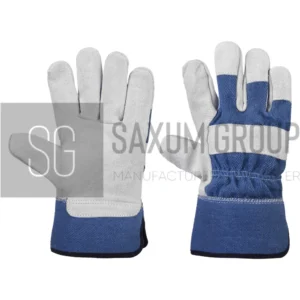
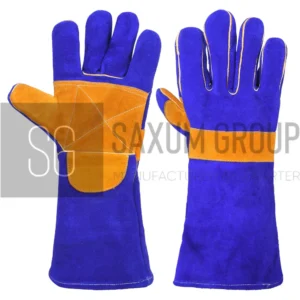
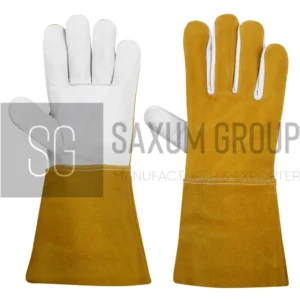
See the full work gloves range →
Send Your Glove Spec to Our Factory in Sialkot
Saxum Group makes rigger gloves, welding gauntlets, TIG gloves and driver gloves to buyers’ specs in our own factory in Sialkot. As a leather work gloves manufacturer in Pakistan, we turn a photo, a sample or a full tech pack into a sample and then bulk production through our private label service. Send your spec through our contact page and you’ll get a quote within 24 hours. Planning your first import? Read our guide to importing work gloves from Pakistan and our wholesale work gloves supplier guide.