If you buy work gloves for the US market, you’ll see “A2”, “A4” or “A6” printed on a lot of packaging. Those are ANSI cut levels. They tell the buyer how well a glove stands up to a sharp edge, and they’ve become one of the first things safety managers look at when they pick a glove.
The trouble is that the scale gets misread all the time. People assume a higher number is always better, or that every glove needs a cut rating. Neither is true. Here’s a plain guide to what the A1 to A9 levels mean, how they’re tested, and how to choose the right level for the gloves you sell.
What Are ANSI Cut Levels?
ANSI cut levels come from ANSI/ISEA 105, the American standard for hand protection. The current scale was introduced in the 2016 version of the standard and runs from A1 (lowest) to A9 (highest). Before that, the US used a shorter scale of levels 1 to 5, and you’ll still find old stock and older spec sheets that use it, so it’s worth knowing both exist. The newest edition, ANSI/ISEA 105-2024, kept the A1 to A9 cut levels and added a standard pentagon label that shows the cut, abrasion and puncture ratings in one place. The International Safety Equipment Association publishes a short summary of the changes.
The standard covers more than cut, by the way. It also rates gloves for abrasion, puncture, needlestick and heat. Cut just gets the most attention because cuts are among the most common hand injuries on the job.
How the Cut Test Works
The glove material is tested on a machine that draws a straight blade across it under a set load. The test (ASTM F2992) measures how many grams of force it takes to cut through the material over a fixed blade travel of 20 millimeters. More grams means more cut resistance, and the gram score decides the level. The method itself is published by ASTM as ASTM F2992. In the US, the standard is voluntary, but OSHA’s hand protection rule (29 CFR 1910.138) asks employers to pick gloves that suit the hazard, and cut ratings are one of the ways safety managers do that.
That’s the key point. A cut level isn’t a guess or a marketing label. It’s a lab number for a specific material, and it only applies to the glove that was actually tested.
ANSI Cut Levels A1 to A9 at a Glance
| Level | Grams to cut | Typical jobs |
|---|---|---|
| A1 | 200 to 499 | Light handling, small parts, packing |
| A2 | 500 to 999 | General assembly, warehouse work |
| A3 | 1,000 to 1,499 | Light sheet metal, construction handling |
| A4 | 1,500 to 2,199 | Metal fabrication, glass handling, HVAC |
| A5 | 2,200 to 2,999 | Sheet metal with sharp edges, recycling |
| A6 | 3,000 to 3,999 | Heavy sheet metal, metal stamping |
| A7 | 4,000 to 4,999 | Glass manufacturing, sharp heavy parts |
| A8 | 5,000 to 5,999 | Very high risk cutting and handling |
| A9 | 6,000 and above | Extreme cut hazards, meat and blade work |
The “typical jobs” column is a rough guide, not a rule. The right level always depends on the real task, so a safety manager’s own risk assessment comes first.
Do Leather Work Gloves Have a Cut Rating?
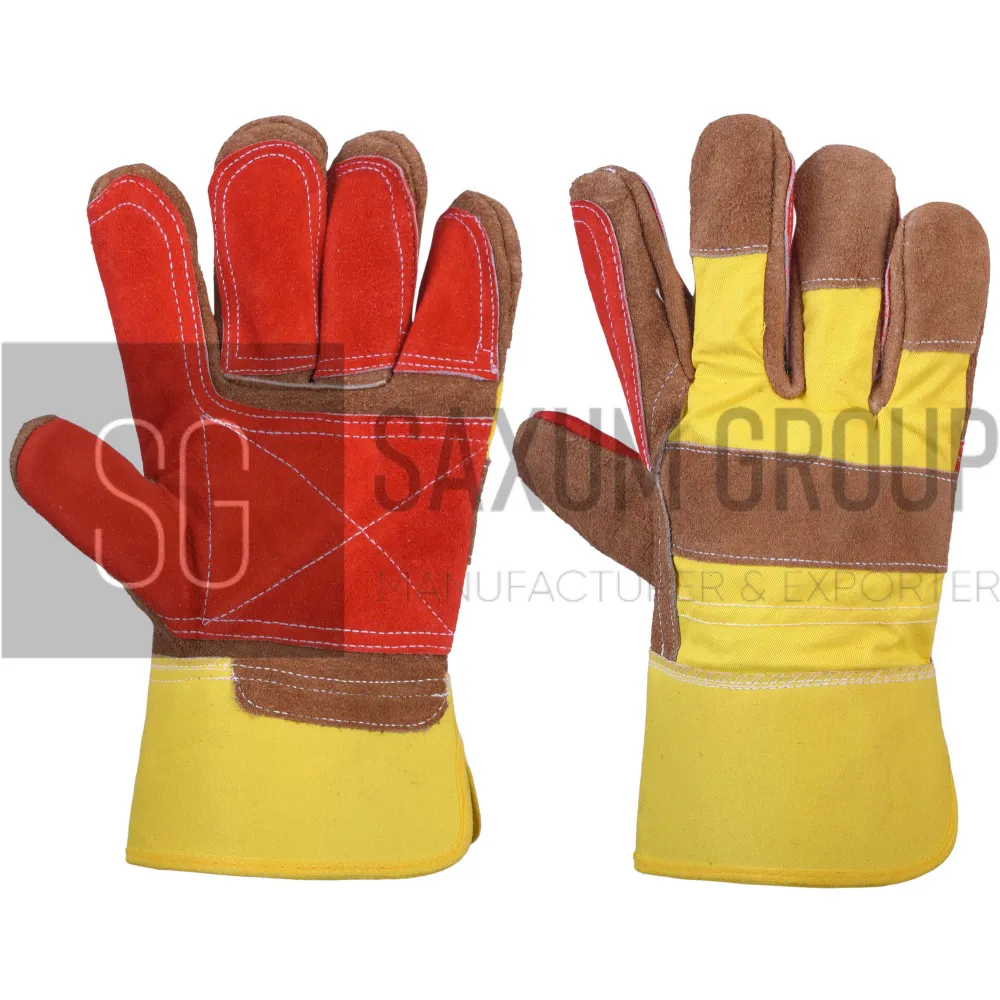
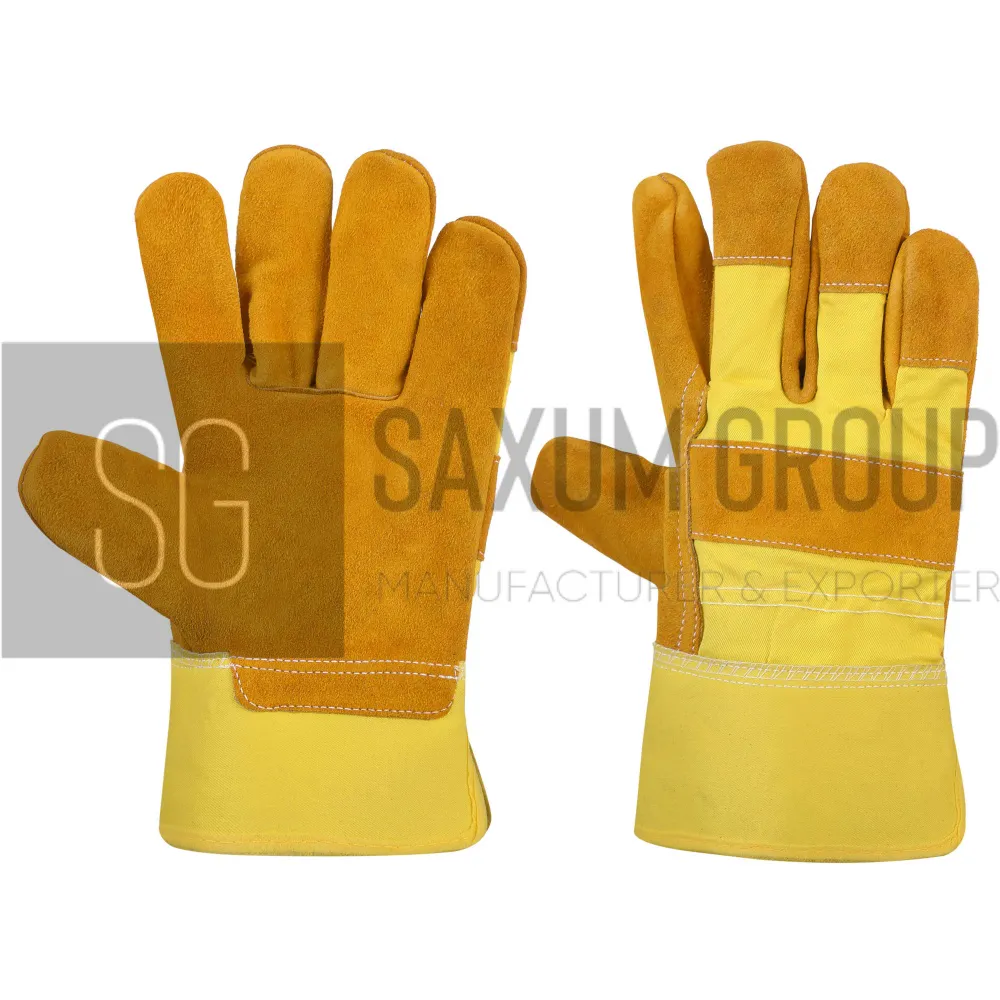
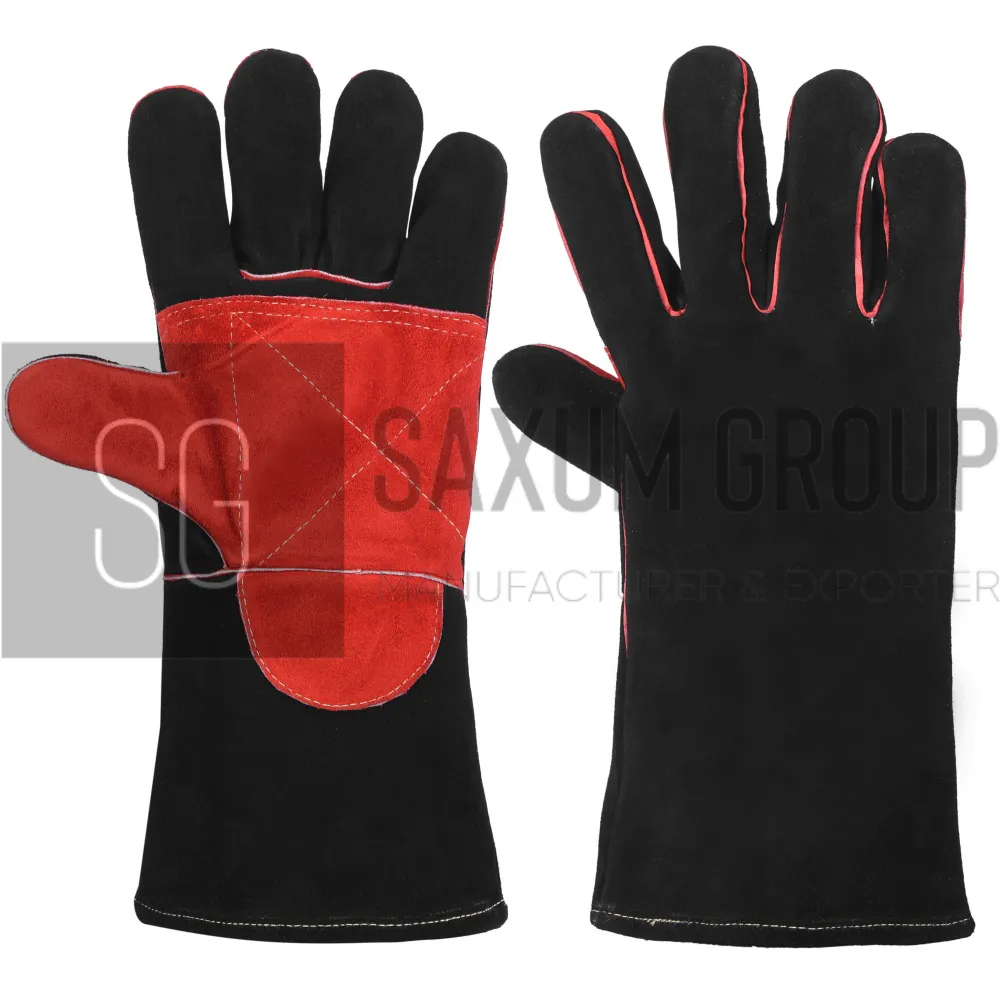
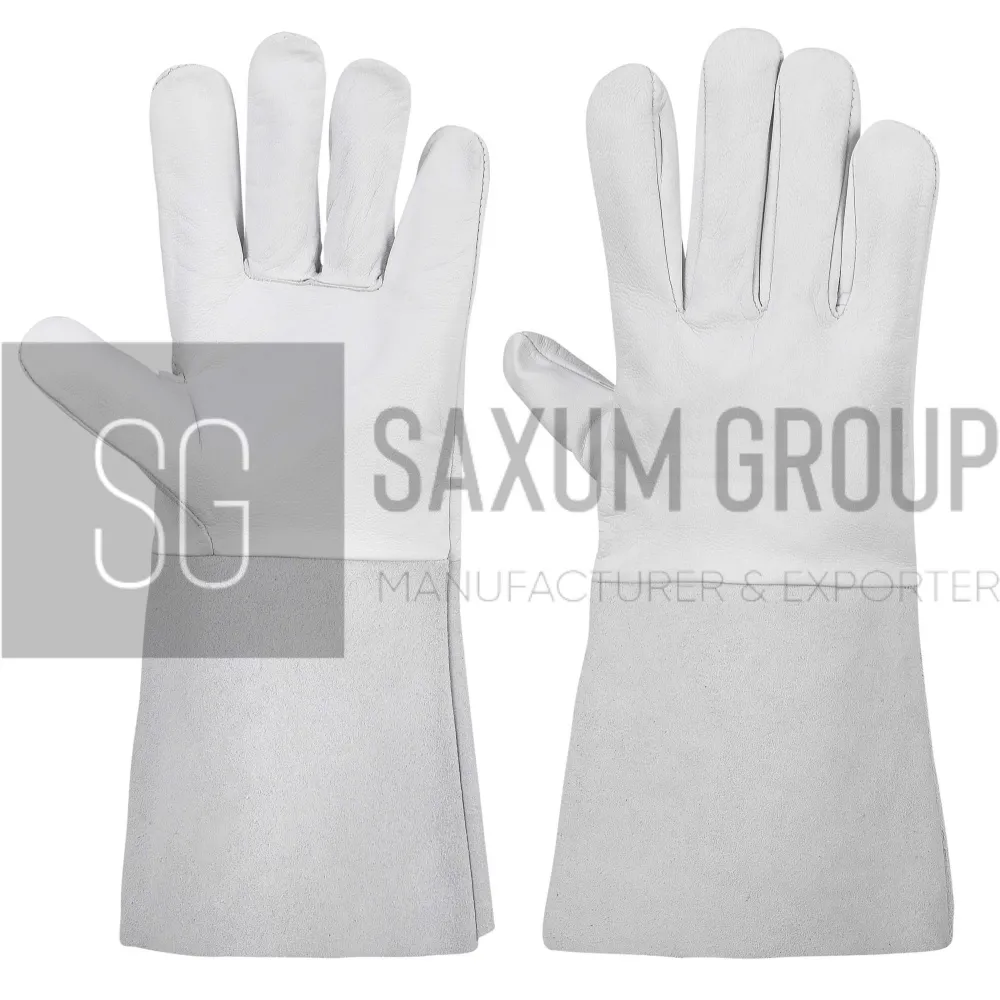
Usually not a high one. Leather is excellent against abrasion, heat and rough surfaces, which is why it’s used for rigger gloves, welding gloves and driver gloves. But a sharp blade goes through leather more easily than through a high performance fiber. A plain leather glove sits at the low end of the cut scale, if it’s rated at all.
That’s fine for most of the jobs leather gloves are bought for. A farm hand, a warehouse picker or a welder isn’t usually worried about razor edges. They need grip, comfort and protection from scrapes, heat and splinters. Selling those gloves as general purpose, without a cut claim, is completely normal.
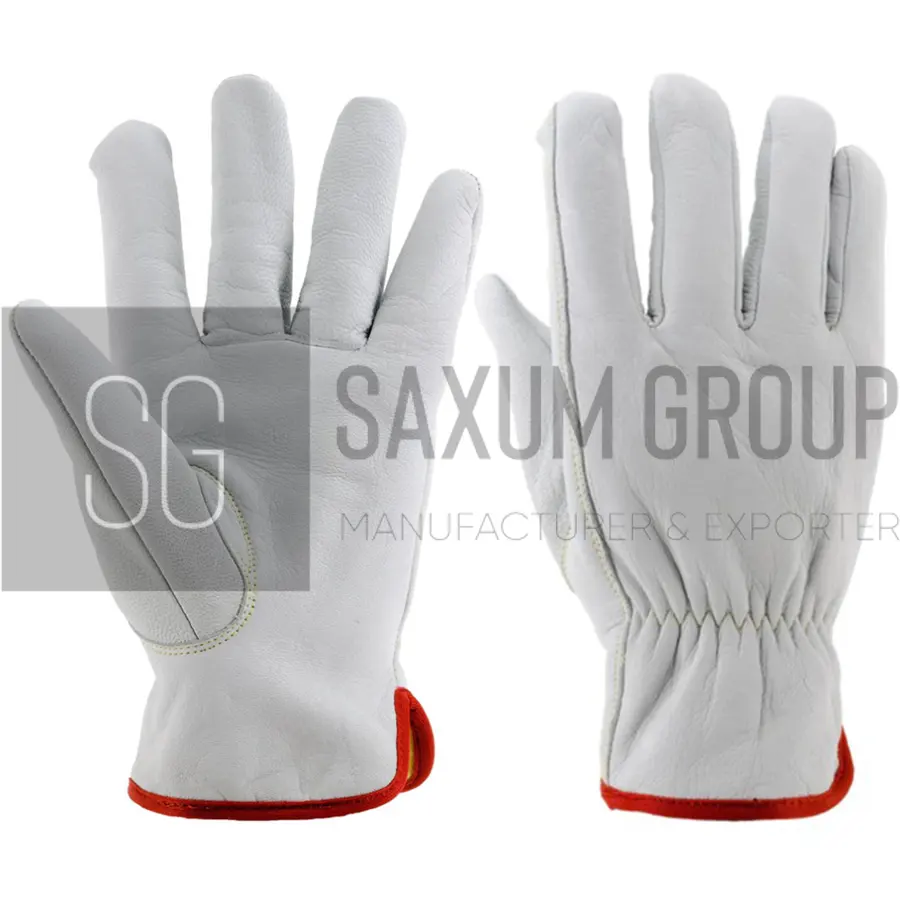
When a job does involve sharp edges, the usual answer is a cut resistant liner. Leather gloves can be made with a lining of aramid (Kevlar is the well-known brand) or similar fibers, which lifts the cut performance while keeping the leather outside for grip and wear. The glove then needs to be tested to carry a rating.
How to Choose the Right Cut Level
Start with the hazard, not the number. Ask what the hands actually touch. Cardboard and plastic? A1 or A2 is plenty. Sheet metal edges or glass? You’re looking at A4 and up. Most buyers who skip this step end up over-buying. A glove that’s rated far higher than the job needs is usually thicker, hotter and less nimble, and workers take thick gloves off. A glove in a pocket protects nobody.
Then think about the rest of the job. Does it also involve heat, oil or wet surfaces? Does the worker need fingertip feel? Cut is one line on the spec sheet, not the whole spec. Our rigger gloves guide and the TIG vs MIG vs stick welding gloves guide show how other factors shape the choice.
ANSI vs EN 388: What’s the Difference?
If you also sell into Europe, you’ll see EN 388 markings, the European standard. Since 2016, EN 388 has a cut score from A to F based on a similar straight-blade test (ISO 13997), measured in newtons rather than grams. It also keeps an older “coup” test score from 1 to 5. The two systems are close but not identical, so a glove needs its own test report for each market. Don’t convert one to the other by guesswork.
Other Ratings You’ll See on the Same Label
Cut gets the headlines, but ANSI/ISEA 105 rates other things too, and for leather gloves some of them matter more. Abrasion is scored from 0 to 6, based on how many cycles of rubbing the material survives. Puncture runs from 0 to 5 and measures resistance to a pointed probe, which is useful for jobs with nails, wire or splinters. There’s a separate needlestick score for fine needles, and a heat rating for contact with hot surfaces.
For a leather palm rigger glove, abrasion is often the most honest selling point. For a welding glove, heat matters more than cut. So when you plan a range, think about which rating actually helps your customer choose, and test for that one.
Buying Cut Rated Gloves From a Manufacturer
If you want a cut level printed on your private label packaging, say so at the quote stage. The supplier needs to know the target level before choosing the liner and the leather, and the finished glove has to be tested for that rating. Ask for the test report for the exact glove you’re buying, not a similar one.
Be careful with any supplier who offers to print a rating without a report. In the US, a cut level is a claim your customers rely on for safety, and it’s your brand on the box. If you’re new to buying from overseas, our guide on choosing a wholesale work gloves supplier covers what to check, and our importing guide covers customs and shipping.
Frequently Asked Questions
Is A9 the best cut level?
It’s the highest, but not the best for every job. Higher levels often mean thicker, stiffer gloves. Pick the lowest level that properly covers the hazard.
Are old ANSI levels 1 to 5 still valid?
The 2016 standard replaced them with A1 to A9. Older gloves and spec sheets may still show the old scale, but new products are normally rated on the A scale.
Does Saxum Group make cut resistant gloves?
Yes. We make cut resistant gloves with Kevlar lining to order, alongside our leather work gloves. If you need a specific ANSI cut level, tell us at the quote stage and we’ll talk through the materials and testing for that glove.
How do I get a quote?
Send the style, the cut level you need, quantities and branding through our contact page or WhatsApp us at +92 333 8785849. You’ll get a quote within 24 hours.
The Bottom Line
ANSI cut levels run from A1 to A9 and measure how many grams of force it takes to cut through a glove. Match the level to the real hazard, remember that leather gloves are mostly about abrasion and heat rather than cut, and only print a rating when the exact glove has been tested for it. See our full leather work gloves range, or read about our private label manufacturing. If you need a cut rated leather glove made in Sialkot, Pakistan, tell us at the quote stage and we will talk through testing for that product.