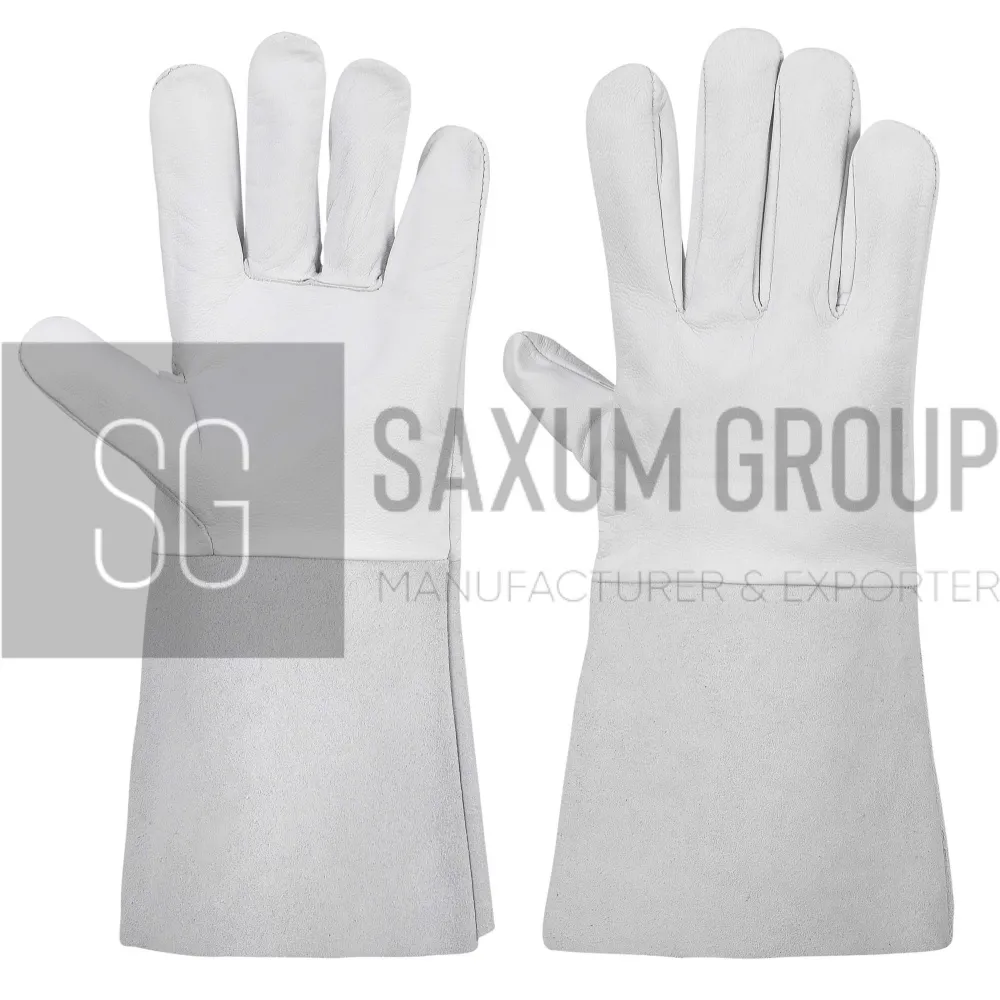
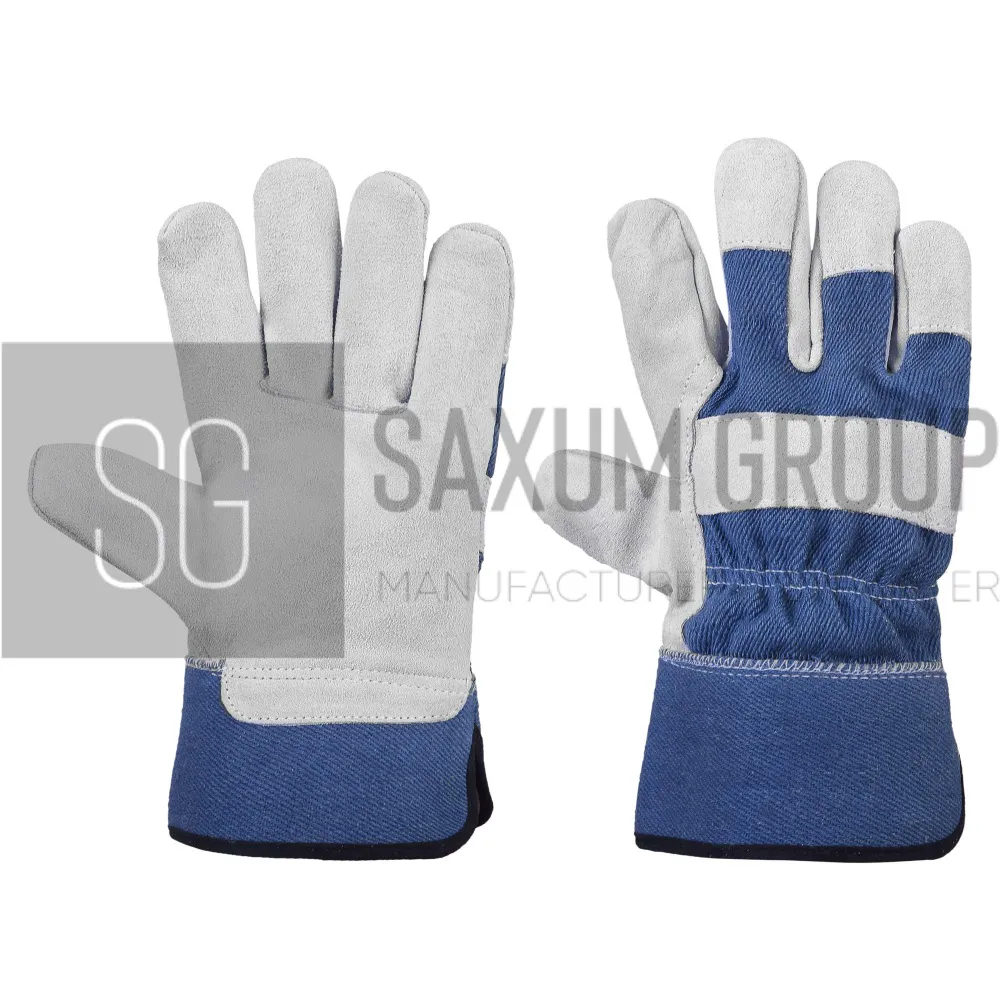
Most work gloves sold in the USA aren’t made in the USA. That’s not a secret in the trade, it’s just how the numbers work. Leather gloves take a lot of cutting and stitching by hand, and the countries that do that well at a fair price are mostly in South Asia. Pakistan, and the city of Sialkot in particular, is one of the biggest of them. So sooner or later, many US distributors look for a wholesale work gloves supplier overseas.
So if you run a safety distribution business, a hardware chain or your own glove brand, sooner or later you’ll look at buying direct from an overseas factory. This guide walks through how US buyers actually do it: finding a wholesale work gloves supplier, testing them, getting the paperwork right and landing the goods without surprises. We’re a glove factory in Sialkot, so we’ll tell you what we see from our side too.
Why US Distributors Buy Work Gloves Direct
Buying through a US importer is easy. You get small quantities, fast delivery and someone local to call. The trade-off is price and control. Every layer between you and the factory adds a margin, and you usually can’t change the leather, the cuff, the colors or the packaging.
Going direct flips that. You pay the factory price plus freight and duty, and you decide exactly what the glove looks like. For a distributor moving a few thousand dozen a year, the savings add up fast. For a brand, the bigger win is control: your own patterns, your own logo, and the same glove every time you reorder. That’s what private label manufacturing is really about.
What to Look for in a Wholesale Work Gloves Supplier
There are thousands of glove sellers online, and a lot of them are traders who don’t own a single sewing machine. Nothing wrong with traders, but you want to know who you’re dealing with. A few things to check before you even ask for a price.
Are they the actual manufacturer?
Ask where the gloves are cut and stitched, and how many factories they run. A real manufacturer will tell you plainly and won’t mind a video call from the production floor or a visit from your inspector. A trading company will be vaguer, and their prices tend to move every time the factory they use changes.
Can they show the range you need?
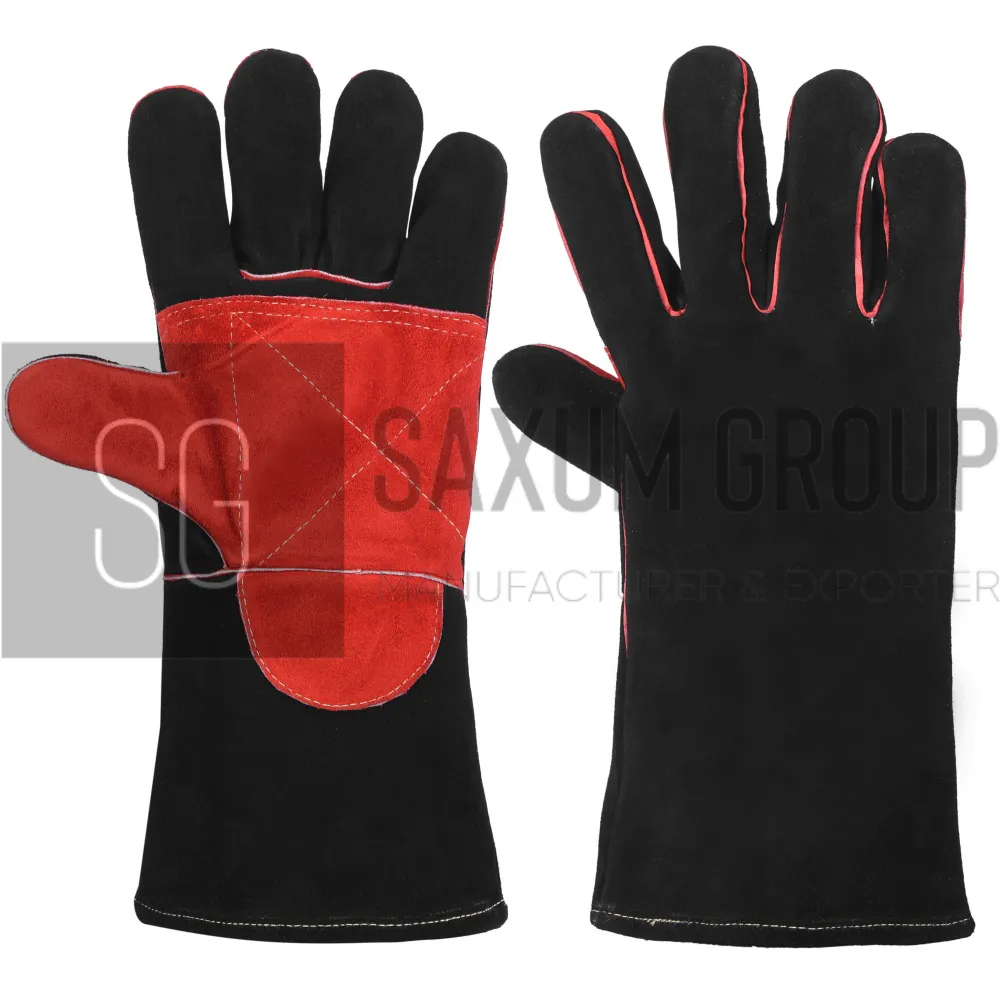
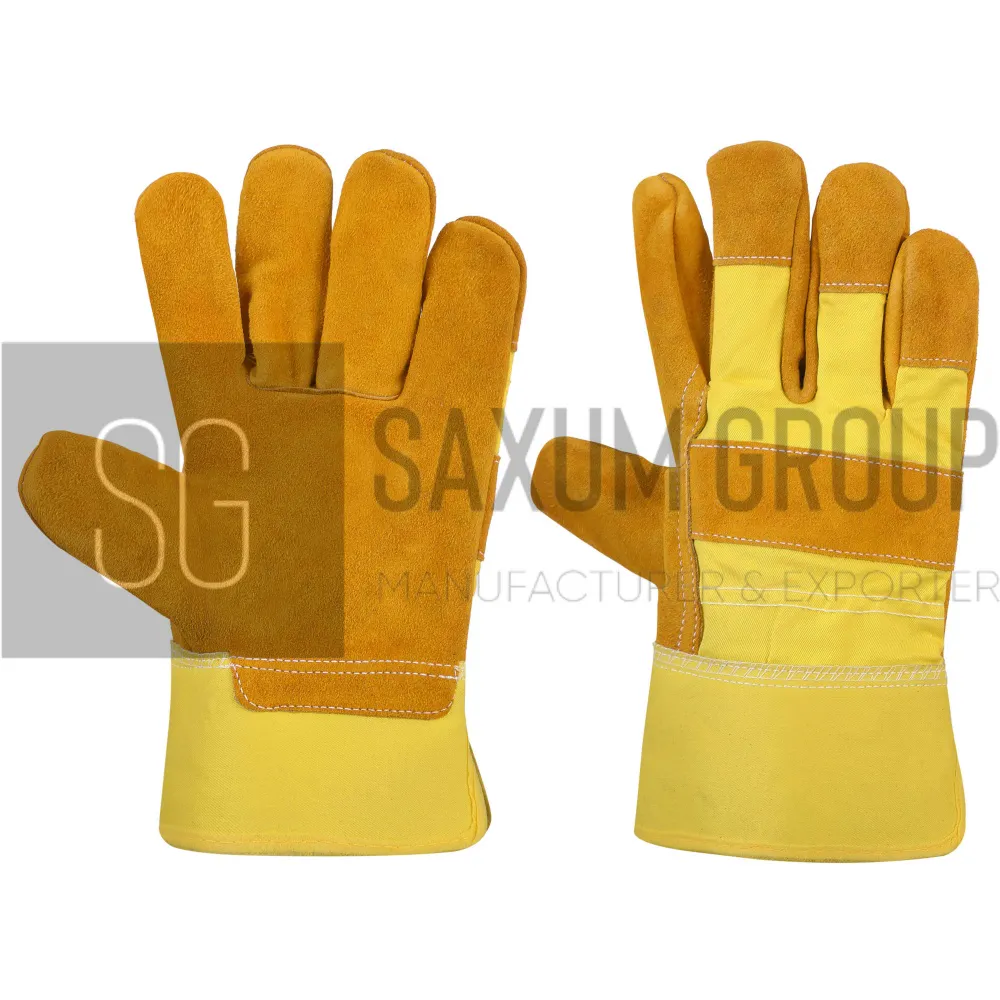
Look for a supplier whose catalog covers your core lines. If you sell leather palm rigger gloves, leather welding gloves and grain leather driver gloves, it’s simpler to buy all three from one factory. One supplier, one shipment, one set of paperwork.
Where does the leather come from?
Leather quality decides how long a glove lasts, and more US retailers now ask where it was tanned. Leather Working Group rated tanneries are a good sign. Ask for it in writing.
Do they answer quickly and clearly?
Honestly, this one predicts a lot. If it takes a week to get a quote, it’ll take a week to fix a problem on your order too. A good supplier replies within a day and asks sensible questions back: size mix, cuff type, packaging, target price.
How the Process Usually Works
Every factory is a little different, but the steps look roughly like this.
1. Send your spec. A photo, a sample glove or a product code from the supplier’s catalog, plus quantities, sizes and branding. You’ll get a quote back. With us that’s within 24 hours.
2. Approve a sample. First a quick prototype from stock materials so you can check the look, then a final sample in the right leather, color and pattern. Don’t skip this. Feel the leather, put the glove on, pull at the thumb seam.
3. Bulk production. Once you sign off, the factory buys materials and starts cutting. Ask how they check quality during production, not just at the end.
4. Inspection and shipping. Many US buyers book a third-party inspection before the goods leave. Then the cartons go by sea from Karachi, or by air if it’s urgent.
Our private label services page explains each of these steps in more detail.
Landing Gloves in the USA: The Paperwork
This is the part first-time importers worry about most, and it’s less scary than it looks. You’ll want a licensed customs broker on your side. They handle the filing with US Customs and Border Protection and tell you the exact duty.
HS code and duty
Leather work gloves usually fall under HS heading 4203.29. The duty rate depends on the exact glove (leather type, lining, whether it’s a work glove or a sports glove), so let your broker classify it before you place a big order. Don’t guess this one. You can look up the heading yourself in the US Harmonized Tariff Schedule.
ISF for ocean shipments
For sea freight, US Customs needs an Importer Security Filing (often called ISF or “10+2”) before the goods are loaded at the port of origin. Your broker or forwarder files it, but they need the supplier’s details early, so make sure your factory sends them on time. US Customs explains the rule on its Importer Security Filing page.
Country of origin marking
Imported gloves must be marked with their country of origin, so expect “Made in Pakistan” on the label or packaging. A good supplier will put it there without being asked. The marking rules are set out in 19 CFR Part 134.
Incoterms
FOB means the factory gets the goods onto the ship and you handle everything after that. CIF adds freight and insurance to your port. DDP means the supplier delivers to your door with duty paid, which is the easiest option for a first order. Our guide to importing work gloves from Sialkot goes into Incoterms and customs in more depth.
US Standards Buyers Ask About
For general work gloves, US buyers usually talk about ANSI/ISEA 105, which rates gloves for things like cut, abrasion and puncture resistance. For welding, ANSI Z49.1 is the general safety standard and calls for flame resistant gauntlet gloves. A plain leather rigger glove is mostly about abrasion and comfort, so many distributors sell it as general purpose rather than with a rating.
If you want a rating printed on your packaging, the glove needs to be tested for it. Our ANSI cut levels guide explains the A1 to A9 scale. Ask your supplier at the quote stage, and be wary of anyone who prints claims they can’t back up with a test report.
How Long It Takes
Plan for the whole cycle, not just production. Samples go by courier and arrive in days. Bulk production depends on the quantity and the materials. Then sea freight to the main US ports, like New York and New Jersey, Savannah, Houston or Los Angeles, usually takes four to six weeks. Air freight lands in about a week but costs a lot more, so most buyers keep it for small top-up orders.
The smart move is to order before you run low. Distributors who reorder on a regular schedule rarely get caught short.
Starting Small: A Sensible First Order
You don’t have to bet the business on the first container. Plenty of US buyers start with a handful of styles they already know sell. A common starter mix is a MIG welding gauntlet, a TIG welding glove, a double palm rigger glove and a denim back rigger. Branded, packed by the dozen, shipped together. Once those sell through, you add colors, sizes and new lines.
Not sure which welding gloves your customers need? Our TIG vs MIG vs stick welding gloves guide and the welding glove length guide help you pick. For riggers, read our rigger gloves guide.
Frequently Asked Questions
Is it cheaper to buy work gloves direct from a factory?
Usually, yes, once you’re buying in volume. You pay the factory price plus freight, duty and your broker’s fee, but you skip the middle margins. For very small quantities, a US importer can still be the simpler option.
Can I get my own brand on the gloves?
Yes. Logo on the cuff or back, your own labels, header cards, barcodes and carton marks are all standard with a private label supplier. Our guide to custom logo work gloves compares printed, embossed and embroidered logos.
Do I need a customs broker?
It isn’t strictly required for every shipment, but almost every first-time importer uses one. They file the entry, classify the goods and work out the duty, which saves a lot of headaches.
How do I get a quote from Saxum Group?
Send the styles, quantities, sizes and branding through our contact page or on WhatsApp at +92 333 8785849. You’ll get a quote within 24 hours.
The Bottom Line
Buying work gloves wholesale from overseas isn’t complicated once you’ve done it once. Pick a real manufacturer, test the sample properly, let a customs broker handle the US side, and start with styles you already know sell. Saxum Group has been making leather gloves in Sialkot for more than 20 years, and a lot of what we make goes to the USA. Browse the full work gloves range or read more about us.