
A glove that’s the wrong size is a glove nobody wears. Too tight and it pinches, tires the hand and splits at the seams. Too loose and it bunches up, slips on tools and catches on things it shouldn’t. Most fit problems come down to guessing instead of measuring, so here’s a simple work glove size chart and the two measurements you need to use it.
We cut gloves in every size from small to XXL in Sialkot, for buyers in the USA and Europe. This is the same guide we send to distributors who want to get their size runs right.
How to Measure Your Hand for Work Gloves
You need a soft tape measure, or a piece of string and a ruler. Measure your dominant hand, since it’s usually a little bigger.
- Hand circumference. Wrap the tape around your palm at the widest point, just below the knuckles, with your fingers together and the thumb left out. Keep it snug but not tight.
- Hand length. Measure from the crease at the base of your palm, where it meets the wrist, straight up to the tip of your middle finger.
Circumference matters most. If the two measurements point to different sizes, go with the larger one, especially for heavier leather gloves.
Work Glove Size Chart
Most work gloves use a number size alongside the letter size. The number is roughly the hand circumference in inches, which makes it easy to remember.
| Letter size | Number size | Hand circumference | Hand length |
|---|---|---|---|
| XS | 6 | 6 in (152 mm) | 6.3 in (160 mm) |
| S | 7 | 7 in (178 mm) | 6.7 in (171 mm) |
| M | 8 | 8 in (203 mm) | 7.2 in (182 mm) |
| L | 9 | 9 in (229 mm) | 7.6 in (192 mm) |
| XL | 10 | 10 in (254 mm) | 8 in (204 mm) |
| XXL | 11 | 11 in (279 mm) | 8.5 in (215 mm) |
These figures follow the hand sizes used in the international glove standard EN ISO 21420, which most manufacturers work from. Brands can differ slightly, so if a customer is between sizes, trying a sample pair is always the safest check.
How a Work Glove Should Fit
Once a customer has the right size on paper, the glove itself should pass a quick test:
- The fingertips reach the end of the glove fingers without being squashed. A small gap is fine; a big empty tip is not.
- You can make a full fist without the leather pulling tight across the knuckles.
- The palm doesn’t bunch up or fold when you grip a tool.
- The cuff sits comfortably on the wrist without digging in.
Leather also changes with wear. Most leather gloves loosen a little as they break in, so a glove that’s slightly snug on day one usually ends up right. A glove that’s loose on day one only gets looser.
Sizing Different Types of Work Gloves
Rigger and general work gloves
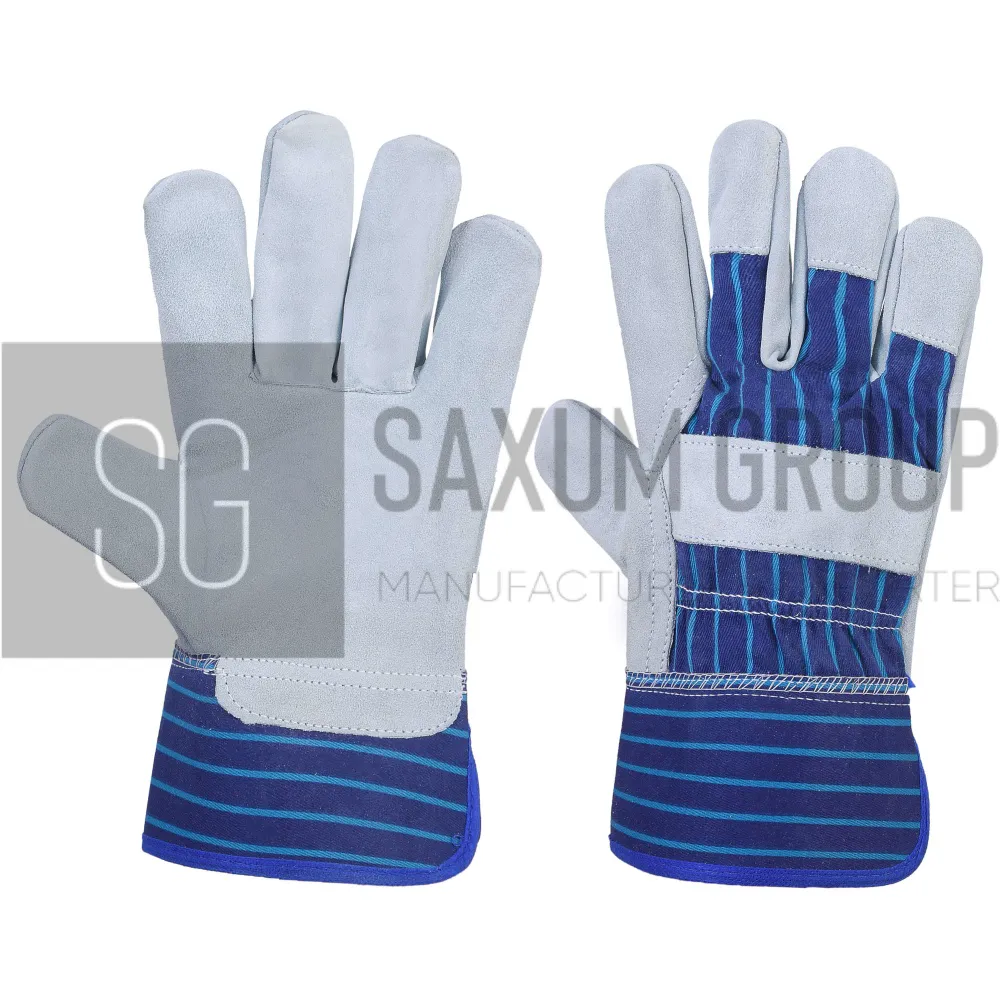
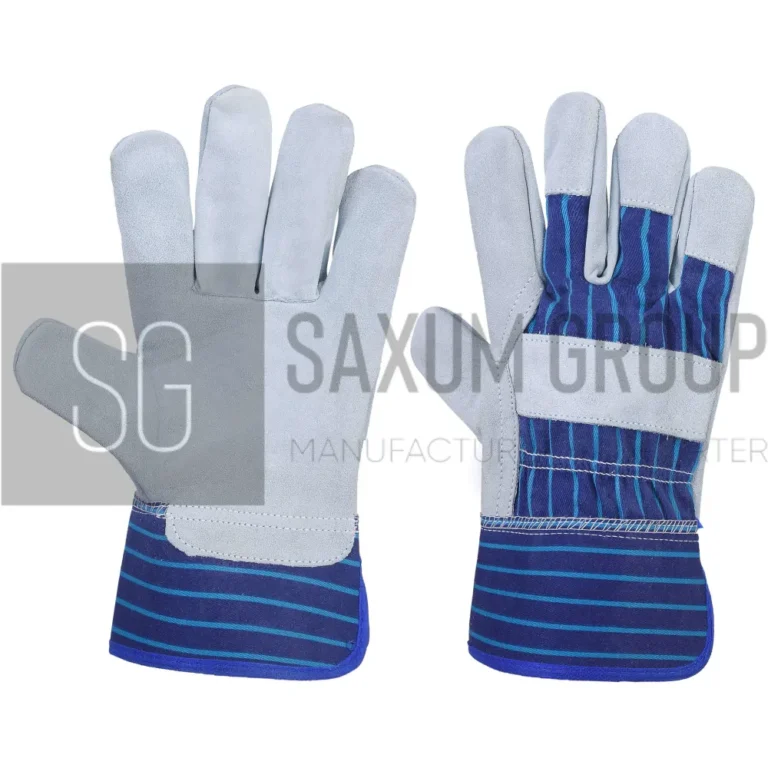
Leather palm rigger gloves are cut with room to slip on and off quickly, and the safety cuff stands away from the wrist. Most people wear their normal size. If the gloves are used in cold weather over a thin liner, going up one size helps.
Driver gloves
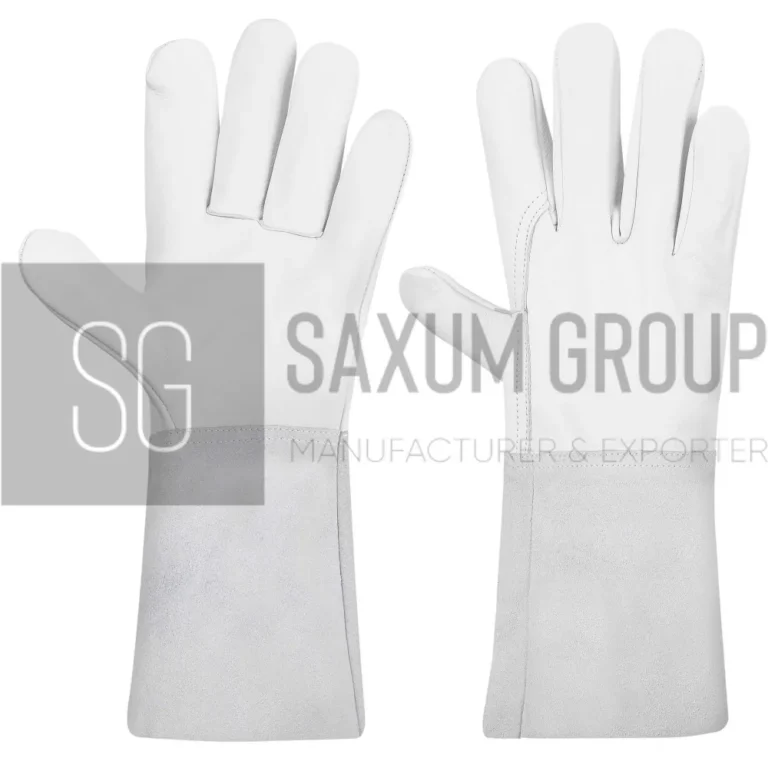
Grain leather driver gloves are meant to fit closely, almost like a second skin, so fingertip feel isn’t lost. Stick to the measured size, and pick the smaller size if a customer is between two. Goatskin in particular stretches a little and molds to the hand.
TIG welding gloves
TIG welding gloves should be snug for the same reason: TIG welders need control over the torch and filler rod. A loose TIG glove makes fine work harder and tends to slide around.
MIG and stick welding gloves
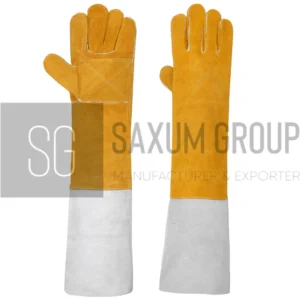
Heavy welding gauntlets are a different story. They’re thick, often lined, and need to come off fast if a spark gets inside. Most welders wear their normal size, and some go up one for an easier fit. Glove length matters as much as hand size here, and our welding glove length guide covers how to pick the right cuff.
Size Runs for Distributors and Brands
If you’re ordering in bulk, the size mix matters as much as the style. Most adult work glove ranges sell mainly in M, L and XL, so those sizes usually make up the bulk of an order, with smaller quantities of S and XXL. The right split depends on your customers. Construction and steel trades tend to run larger, while assembly and food work often need more small and medium sizes.
A few tips that save trouble later:
- Check the size run against your past sales before you order, not just the factory’s suggestion.
- Ask for one sample in every size, not just a large, so you can check the grading across the run.
- Make sure the size is marked clearly on the glove and on the packaging. A sewn-in label or a printed size on the cuff saves a lot of returns.
- If you sell in both the US and Europe, confirm whether you need letter sizes, number sizes or both on the label.
When we make private label work gloves, our pattern team grades each style across your full size run, US or European, and the size can go on the cuff, the label and the header card. The custom logo work gloves guide covers the branding side of that.
Common Sizing Mistakes
- Buying by guesswork. “I’m a large in everything” is often wrong for gloves. Two quick measurements fix it.
- Measuring with a fist. Keep the hand flat with fingers together when you measure circumference.
- Ignoring the job. A close-fitting driver glove and a roomy welding gauntlet in the same size won’t feel the same, and they shouldn’t.
- Forgetting the break-in. A brand new leather glove that’s slightly snug will loosen. A brand new glove that’s already loose won’t tighten.
Gloves We Make in Full Size Runs
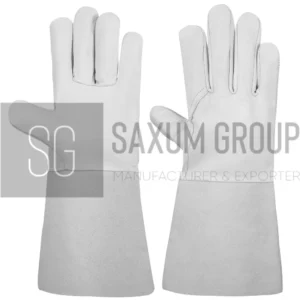
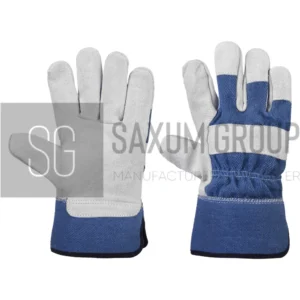
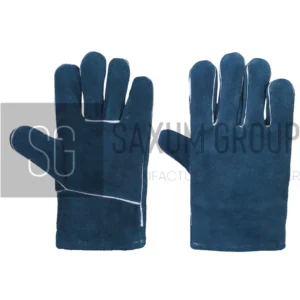
See the full work gloves range →
Need Work Gloves in Your Size Run?
We make leather work gloves and welding gloves in Sialkot, Pakistan, in sizes from S to XXL, for distributors and brands in the USA and Europe. Send us the styles, sizes and quantities through our contact page and you’ll get a quote within 24 hours. You can also browse the full leather work gloves range first.